Reader-supported: this guide may contain affiliate links. If you buy through them I may earn a commission at no extra cost to you. How this works.
The quick answer
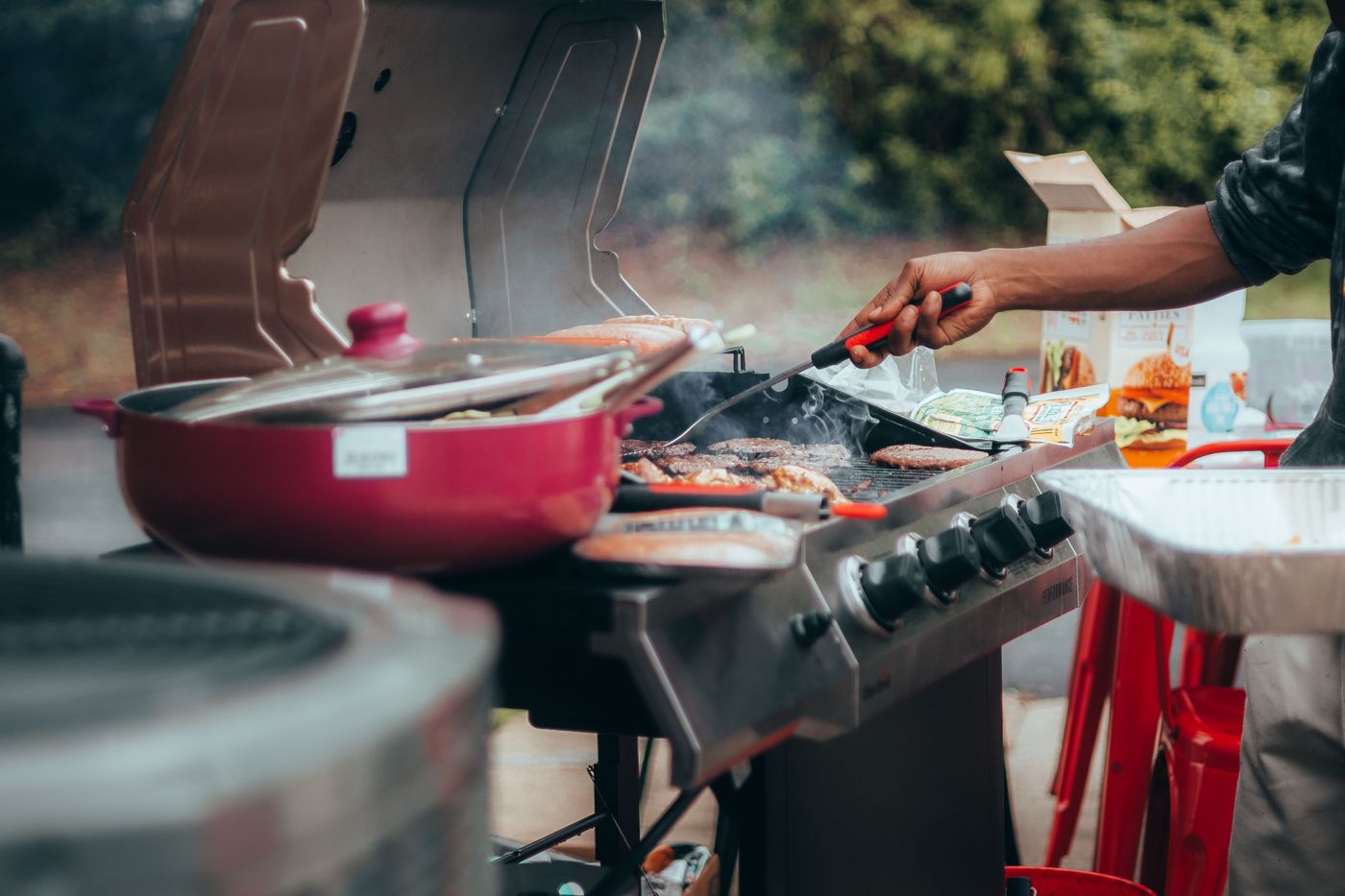
- Choose gas if you want to cook often, quickly, with minimal mess, especially on weeknights.
- Choose charcoal if flavour, searing heat and the ritual of lighting the fire matter to you.
- On a budget? A quality charcoal kettle costs less than a quality gas BBQ.
- Can't decide? Plenty of people own one of each, or add a small portable to their main BBQ.
This is the oldest argument in British back gardens. For what it's worth, I cook on charcoal: my main BBQ is a Weber Master-Touch, and I light it with a chimney starter. But gas has real advantages, and for plenty of households it's the better choice. Here's a fair look at both.
Side-by-side comparison
| Charcoal | Gas | |
|---|---|---|
| Flavour | Smoky, chargrilled | Clean; less smoke flavour |
| Time to cook | Around 20–30 mins to get coals ready | Around 10–15 mins to preheat |
| Temperature control | Vents and coal layout; takes practice | Turn a dial |
| Searing heat | Excellent | Good to very good (model-dependent) |
| Upfront cost | Lower for the same quality | Higher |
| Running cost | Charcoal per cook | Usually cheaper per cook |
| Mess | Ash to empty | Grease tray to clean |
| Best for | Weekends, flavour fans, low-and-slow | Weeknights, families, convenience |
The case for charcoal
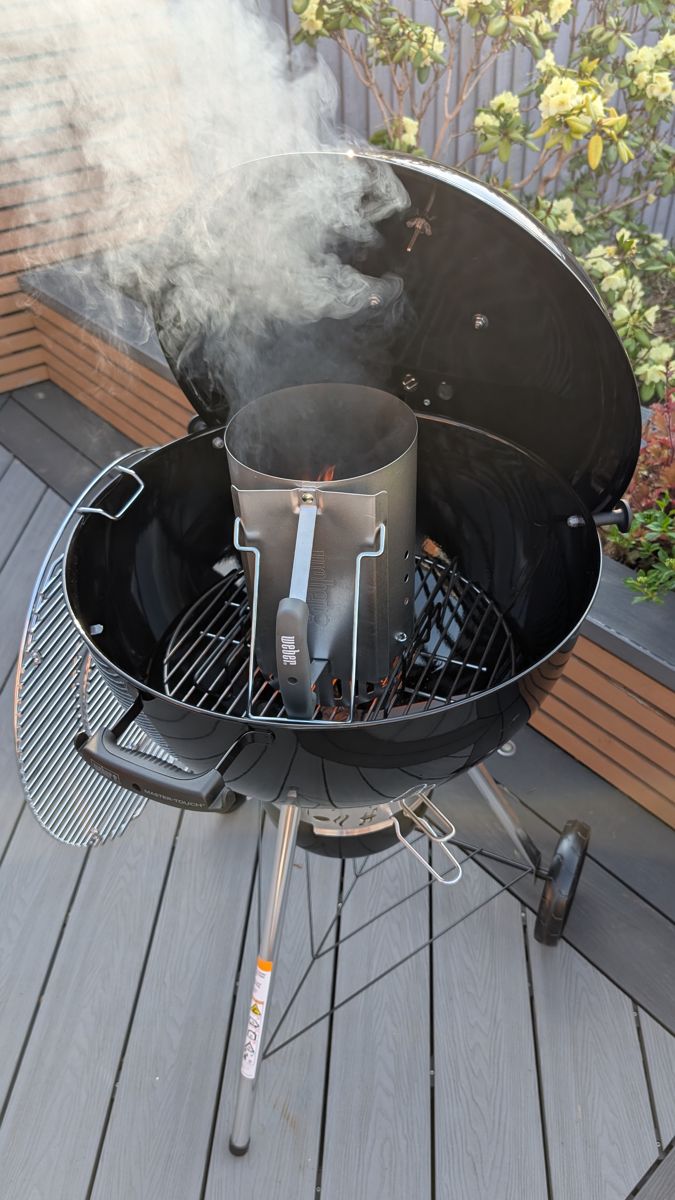
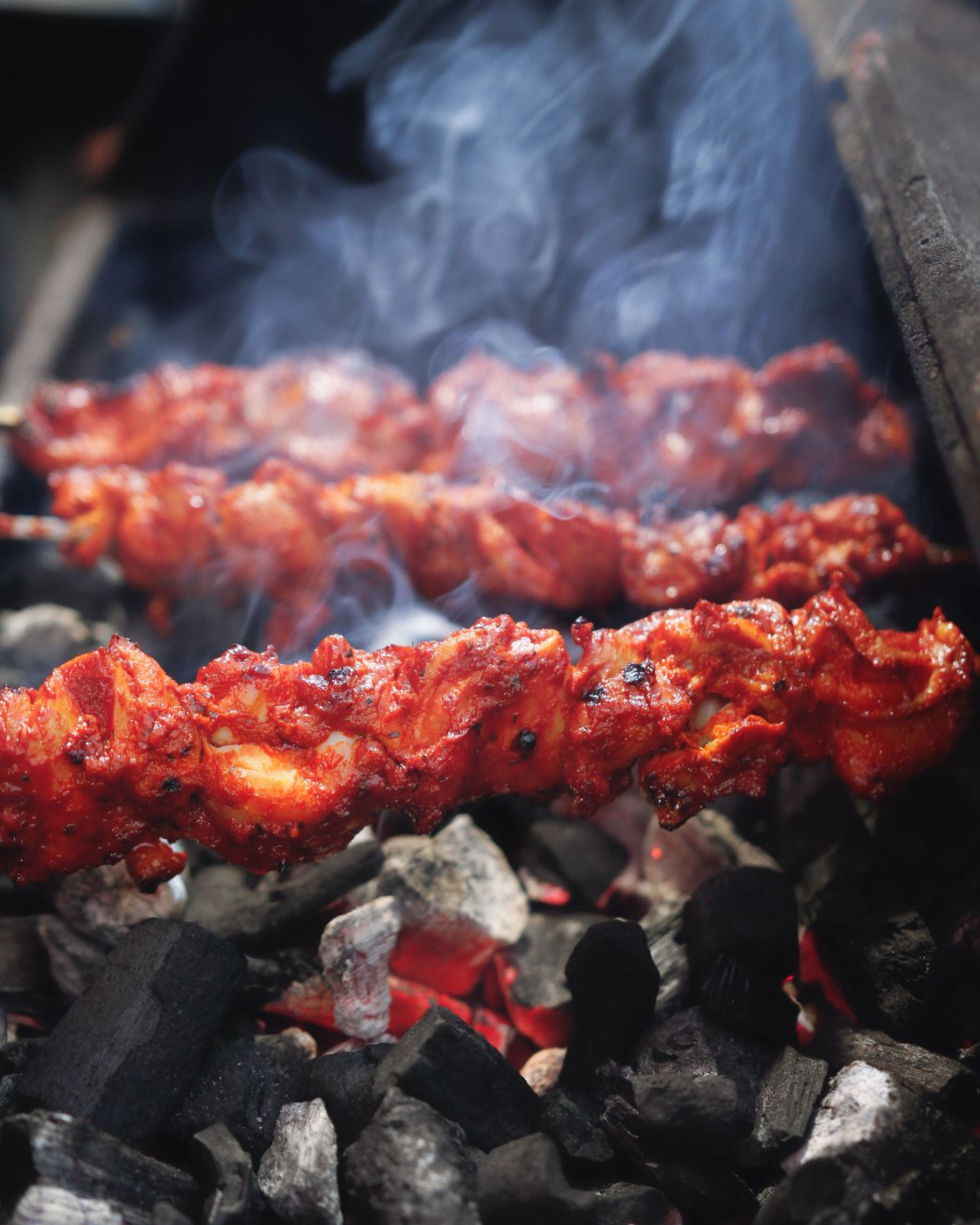
- Flavour. Fat dripping onto hot coals creates smoke that gives food that classic BBQ taste.
- Heat. A full chimney of coals gets seriously hot, which is great for searing steak and burgers.
- Versatility. Set up two zones (coals on one side) and you can sear and roast, or add wood chunks to smoke. My marinated chicken is an easy first cook to try.
- Value. A well-made charcoal kettle costs less than a comparable gas BBQ, and there's less to go wrong.
- Portability. Small charcoal BBQs are great for camping. I take my small portable camping and to cook for my parents on their narrowboat.
The downsides
- It takes longer to get going, which puts some people off cooking on a weeknight.
- Temperature control takes a few cooks to learn.
- Ash has to be emptied, and you have to wait for it to cool first.
The case for gas
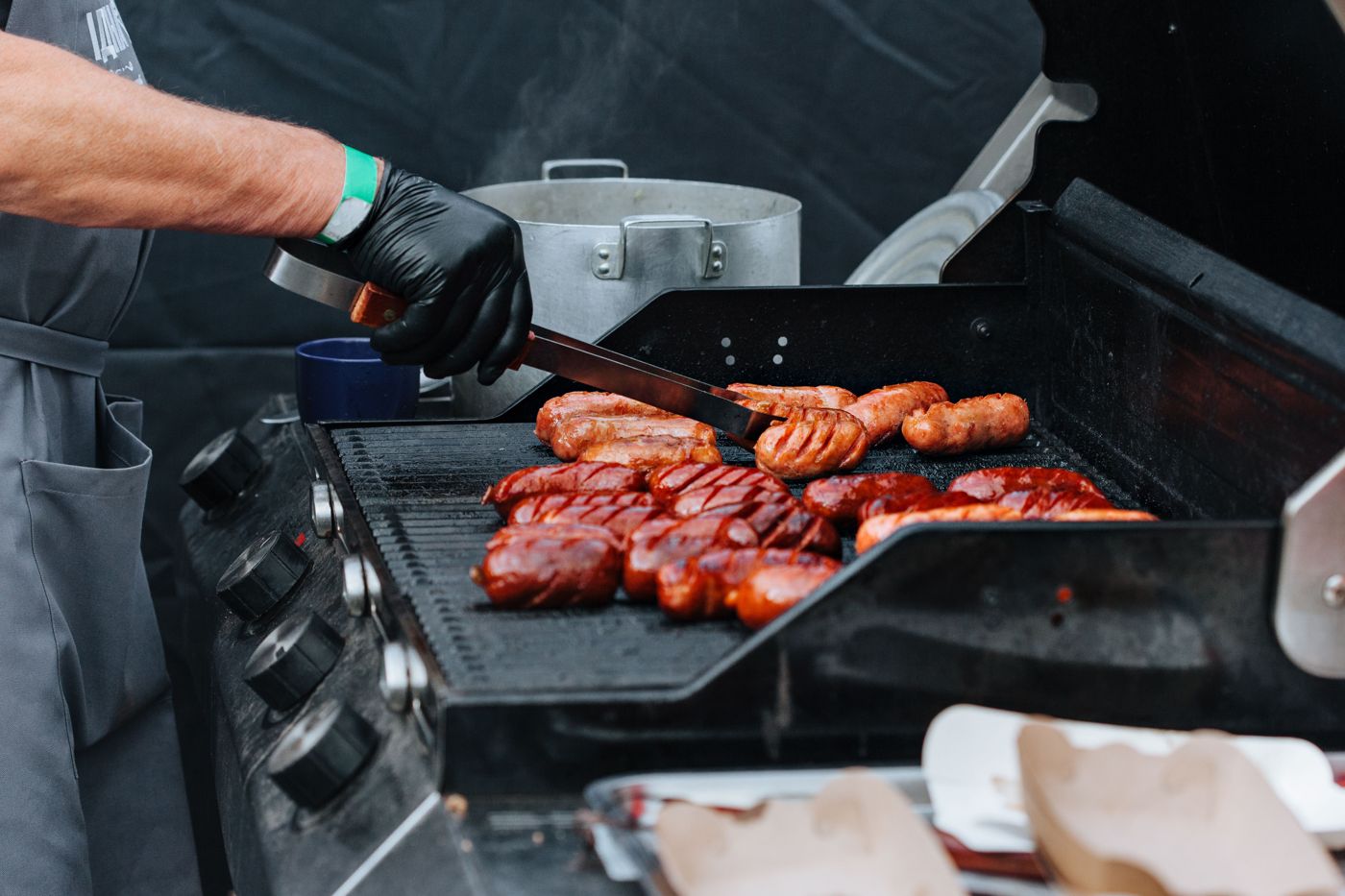
- Speed. Light, preheat, cook. It's about as quick as using your oven.
- Control. Multiple burners let you set different zones with a turn of a dial.
- Cleaner. No ash, less smoke drifting over the fence.
- Extras. Side burners, rotisseries and warming racks are common on mid-range models.
The downsides
- Less smoky flavour (a smoker box with wood chips helps a little).
- Higher upfront cost for a well-built model. Cheap gas BBQs can rust quickly and heat unevenly.
- You need to manage gas bottles, and check hoses and regulators regularly.
What do they cost to run?
Costs vary with fuel prices and how you cook, but as a rough guide:
- Charcoal: a typical kettle cook uses a chimney's worth of charcoal or briquettes. Bags vary widely in price, so a cook might cost anything from about £1.50 to £5 depending on the fuel.
- Gas: a full propane bottle lasts many cooks on a typical BBQ, so the cost per cook is often lower than charcoal.
Neither is expensive enough to make the decision for you. Choose based on how you want to cook.
So which should you buy?
- You'll cook two or three times a week, often after work: gas.
- You BBQ at weekends and love the ritual: charcoal.
- You want to try smoking and low-and-slow: charcoal kettle, or look at a kamado or pellet grill.
- Tight budget: a good charcoal kettle is the best value in BBQ.
- Small garden, close neighbours: gas creates less smoke.
If breakfasts and smash burgers appeal, also look at gas griddles.
Essentials for either type
- Chimney starterLights charcoal in about 20 minutes, no lighter fluidView on Amazon
- Lumpwood charcoalLights fast and burns hot for searingView on Amazon
- Grill brushKeeps grates clean on charcoal or gasView on Amazon
- Propane regulatorCheck it matches your gas BBQ and bottleView on Amazon
As an Amazon Associate I earn from qualifying purchases.
Frequently asked questions
Does charcoal really taste better than gas?
Most people can taste a difference, especially with fattier foods like burgers and sausages, where dripping fat creates flavourful smoke. With marinades and good technique, gas food can still taste excellent.
Is charcoal or gas healthier?
Neither is clearly healthier. Whatever fuel you use, avoid heavy charring and flare-ups, trim excess fat, and cook meat through properly.
Can you get a gas and charcoal combo BBQ?
Yes. Combination grills exist, but they tend to be bulky and can be a compromise on both sides. Many people find owning a small second BBQ more practical.
Lumpwood or briquettes?
Lumpwood lights quickly and burns hot, which is great for searing. Briquettes burn longer and steadier, which is better for longer cooks. Many people keep both.

Home cook, keen DIYer and long-time website builder, writing practical outdoor cooking guides for UK gardens. More about me.