Reader-supported: this guide may contain affiliate links. If you buy through them I may earn a commission at no extra cost to you. How this works.
The quick answer
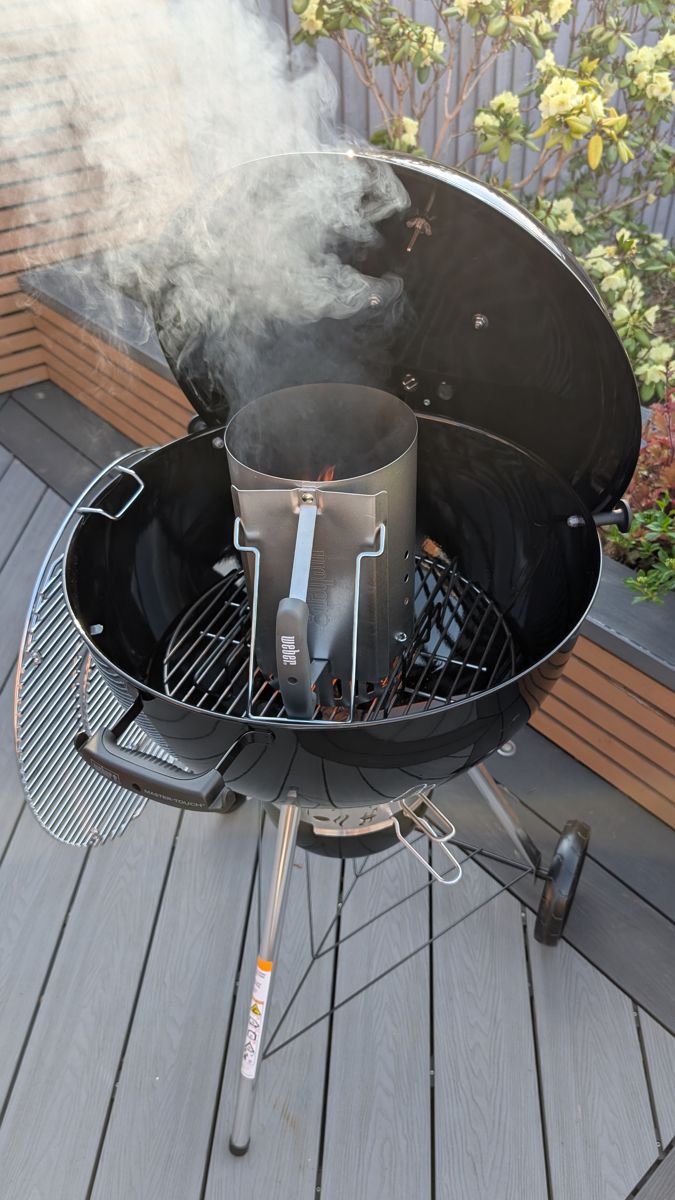
- Use a chimney starter and a full load of charcoal. Cold air steals heat.
- Keep the lid shut and allow extra cooking time.
- Gas users: propane works in the cold; butane struggles below about freezing.
- Shelter from the wind, but never cook in a garage, shed, tent or under a fabric canopy.
- Use a thermometer and a head torch. It gets dark early.
Some of the best BBQ food suits winter: slow-cooked joints, smoked meat and hearty one-pot dishes. Cooking outside in the cold just needs a little more planning. These tips are based on how charcoal and gas behave in low temperatures, plus general BBQ safety advice.
Charcoal BBQs in winter
- Light it with a chimney starter. It's the quickest way to get charcoal going in cold, damp air. Here's how to use one.
- Use more fuel than in summer. A cold grill and cold air pull heat away, so a full chimney is a good starting point.
- Keep your charcoal dry. Store it in a sealed tub or bin. Damp charcoal is hard to light and smokes more.
- Preheat for longer. Give the grill time to heat through with the lid on before you start cooking.
- Choose briquettes for long cooks. They burn longer and steadier than lumpwood.
Gas BBQs in winter
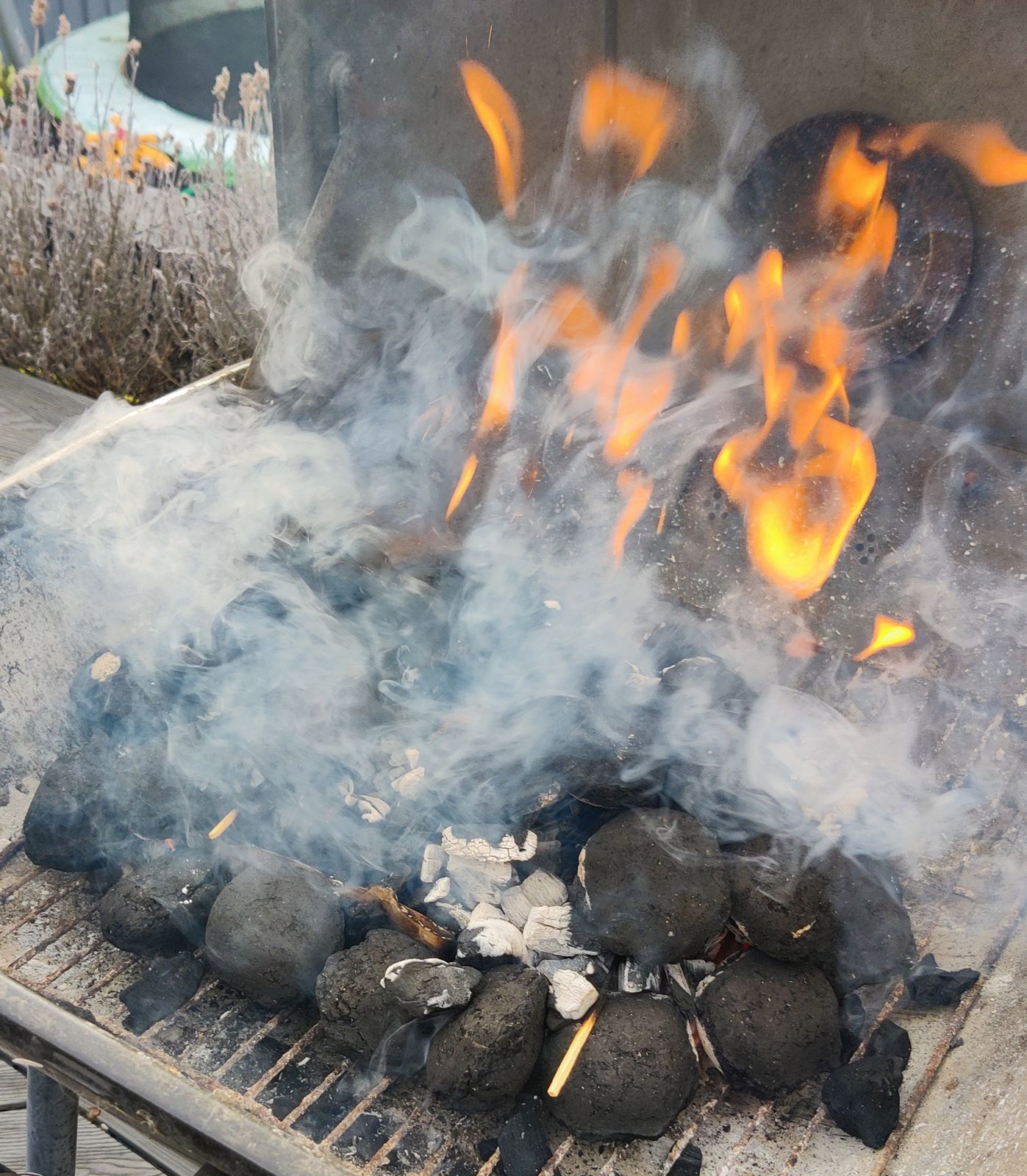
- Propane is the winter gas. It keeps working well below freezing. Butane struggles in cold weather and may not vaporise properly near or below 0°C.
- Expect a longer preheat and slightly lower temperatures, especially in wind.
- Check hoses and connections before each cook. Cold can make old rubber hoses crack. Test for leaks with soapy water, never a flame.
More on fuel types in charcoal vs gas.
Keeping the heat in
- Keep the lid closed. Every peek lets heat out, and in winter it takes longer to recover.
- Cook indirect for bigger pieces of meat: coals to one side, food on the other, lid on.
- Find a sheltered spot out of the wind, with plenty of clearance from walls, fences and anything flammable.
- Consider an insulated cooker. Kamados hold heat brilliantly in the cold. See are kamado grills worth it?
- Add shelter overhead, such as a hardtop grill gazebo designed for BBQs. See pergola vs gazebo vs awning.
What to cook in winter
- Roast chicken or a turkey crown, cooked indirect. See how to cook a turkey on the BBQ.
- Pulled pork for a long, cosy cook.
- Chilli or stew in a Dutch oven on the grill. See cast iron outdoor cooking.
- Sausages and burgers for a quick bonfire-night-style cook.
Winter BBQ safety
- Light the area. A head torch or grill light helps you see whether food is cooked.
- Use a thermometer. It's harder to judge doneness by eye in the dark and cold.
- Watch out for ice on decks and patios around the BBQ.
- Let ash cool completely before emptying it into a metal bin.
Handy winter BBQ kit
- BBQ grill lightClips onto the handle so you can see the foodView on Amazon
- Head torchHands-free light for cooking after darkView on Amazon
- Wireless meat thermometerCheck the food without lifting the lidView on Amazon
- Charcoal storage binKeeps charcoal dry through winterView on Amazon
- Heat-resistant glovesWarm hands and safe handling of hot gratesView on Amazon
As an Amazon Associate I earn from qualifying purchases.
Frequently asked questions
Can you BBQ in winter?
Yes. You'll need more fuel, a longer preheat and extra cooking time, but charcoal, gas and kamado BBQs all work in the cold.
Does a gas BBQ work in cold weather?
Propane works well in cold weather. Butane struggles near or below freezing, so many winter grillers switch to propane.
Can I use my BBQ in the garage when it's raining?
No. BBQs give off carbon monoxide, which can build up to dangerous levels in garages, sheds and other enclosed spaces. Cook outside in the open air, ideally under a shelter designed for BBQs.
Should I cover my BBQ in winter?
Yes, once it's completely cool. A fitted, waterproof cover helps protect it from rain and frost.

Home cook, keen DIYer and long-time website builder, writing practical outdoor cooking guides for UK gardens. More about me.